Childhood Immunization & Vaccine FAQs: A Pediatrician’s Deep Dive for Parents

Child Specialist & Pediatrician | Sector 3 Rohini, Delhi
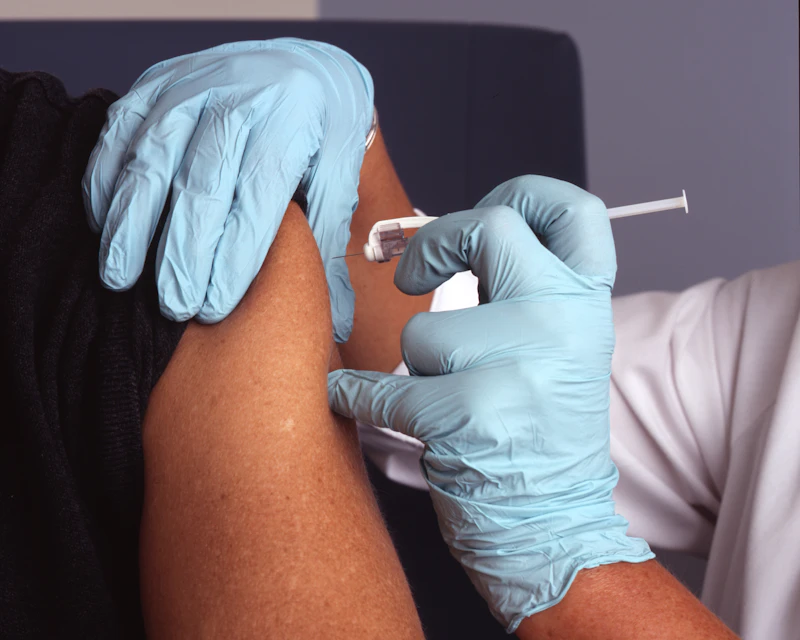
Childhood immunization is widely recognized as the single most effective medical intervention in history, saving millions of young lives every year. However, as new vaccines emerge and misinformation spreads across social media, parents often harbor legitimate questions and anxieties.
Essential Vaccine Questions Answered by a Pediatrician
Q1. Can giving 2 or 3 vaccines on the same day overwhelm my baby's immune system?
Clinical Answer: Absolutely not. A baby’s immune system encounters hundreds of antigens daily from breathing air, sucking on toys, and digesting breast milk. Combination shots contain only a tiny fraction of purified antigens. Clinical trials confirm that giving multiple vaccines at the same visit stimulates robust immunity without increasing side effects or straining the infant's body.
Q2. We missed our baby's vaccination date by a few weeks. Do we need to restart the entire series from Day 1?
Clinical Answer: No, you never need to restart a vaccine series from the beginning. The human immune system possesses long-lasting immunological memory. If a dose is delayed due to travel or mild illness, simply resume where you left off. The previous doses still count, and your pediatrician will administer the remaining shots with appropriate spacing.
Q3. Can a baby get vaccinated if they have a mild cough, cold, or loose stools?
Clinical Answer: Yes. Mild upper respiratory infections, clear nasal discharge, or slight loose motions without high fever are NOT reasons to postpone routine vaccines. Vaccination should only be briefly deferred if the child has a high-grade fever (>101°F) or acute illness requiring urgent hospitalization.
Q4. Why is strict "Cold-Chain" storage so vital for vaccines in Delhi?
Clinical Answer: Vaccines are delicate biological proteins. If exposed to temperatures outside the strict +2°C to +8°C window, their potency degrades permanently. Even a spoiled vaccine will look identical to a potent one, but it will fail to produce protective antibodies. Always ensure your clinic uses dedicated medical vaccine refrigerators.
Q5. What is the difference between Government (UIP) and Private (IAP) vaccine schedules?
Clinical Answer: The Government's Universal Immunization Programme (UIP) provides essential public health vaccines (BCG, OPV, Pentavalent, Rotavirus, MR) focusing on basic community protection. The Indian Academy of Pediatrics (IAP) recommended schedule includes additional protective vaccines (such as Pneumococcal PCV, Chickenpox, Hepatitis A, Flu, Typhoid TCV, and HPV for cancer prevention) to provide comprehensive individual immunity.
Q6. What should parents do if a hard lump or swelling develops at the injection site?
Clinical Answer: A firm, small pea-sized nodule at the thigh injection site is a normal, localized immune reaction. It is harmless and resolves naturally over 4 to 8 weeks. Apply a clean cloth wrapped in ice gently for 5 minutes. Never vigorously massage the injection site.
Extremely Rare Vaccine Red Flags (When to Contact Doctor)
- Inconsolable, high-pitched crying lasting continuously for more than 3 hours.
- High fever spiking above 104°F that does not respond to prescribed Paracetamol.
- Facial swelling, lip puffiness, or difficulty breathing (anaphylactic reaction, typically occurring within 15 minutes of the shot).
Have Questions About Your Child’s Upcoming Vaccines or Missed Doses?
Consult Dr. Dinesh Mittal at our Sector 3 Rohini clinic for personalized immunization counseling with verified cold-chain safety.
Book Immunization ConsultationMedical Disclaimer: This article is intended strictly for public immunization education. Always consult Dr. Dinesh Mittal with your child's immunization card for individualized vaccine administration.